
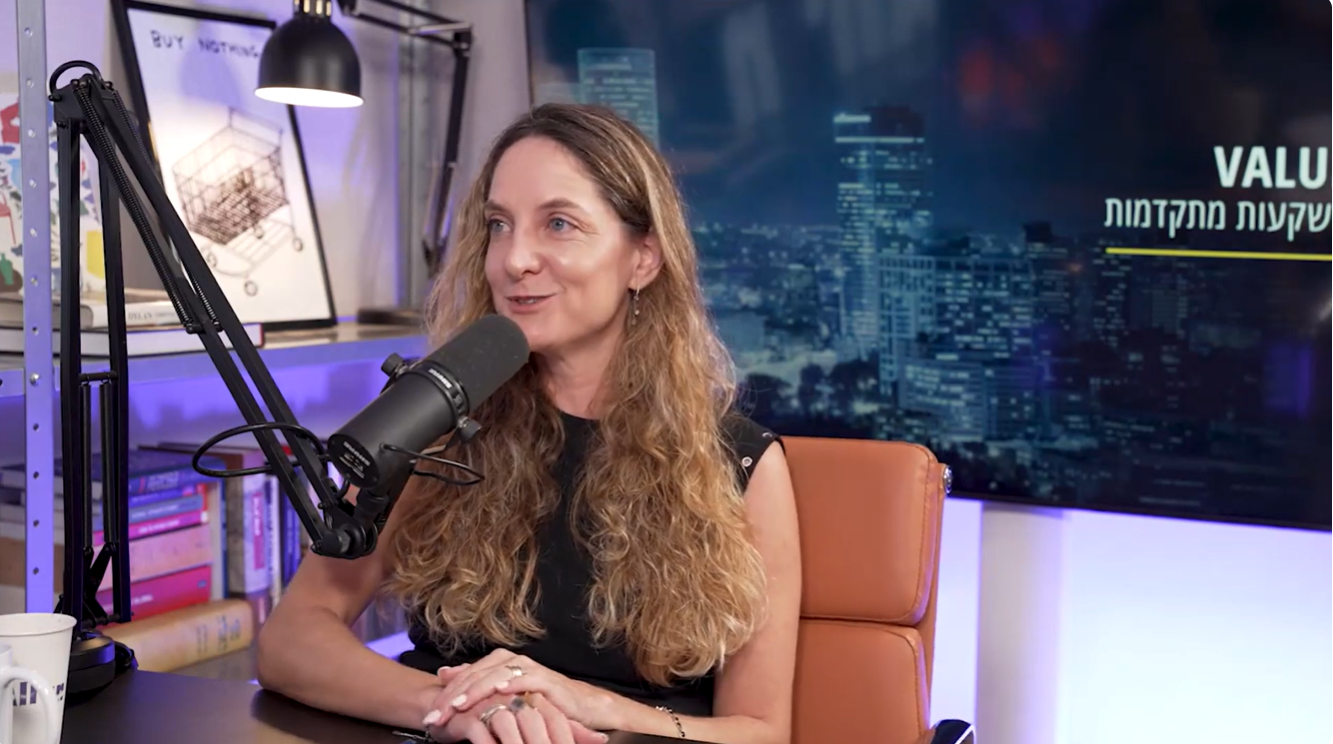
Value Talks: Inbar Steiner hosts Nir Turner for a Conversation on Infrastructure Investing
Podcast Summary
This episode explores the world of private infrastructure as an alternative asset class, featuring a discussion with Nir Turner from Meitav. The conversation focuses on the evolution of the sector – shifting from traditional infrastructure to digital and renewable energy – and how institutional bodies are building exposure to this space. The episode explains the allocation of investments between Israel and international markets, the balance between fund investments and direct deals, and the key sectors involved, such as energy, transportation, telecommunications, and environmental infrastructure. Additionally, we examine the different investment strategies across the risk-return spectrum, ranging from core to opportunistic. The discussion highlights the advantages of infrastructure as a defensive asset characterized by stable cash flows, inflationary protection, and inelastic demand, while also addressing unique risks such as regulation, demand fluctuations, and construction challenges. Finally, the episode reviews key trends such as the growth of digital infrastructure and AI, the transition to green energy, and the rise of the infrastructure secondary market as a compelling investment opportunity.
Watch the Full Podcast
What are the benefits of investing in infrastructure? In this podcast, Inbar Steiner hosts Nir Turner, Head of Infrastructure at Meitav Investment House, for a discussion on how infrastructure can serve as a stable foundation for an investment portfolio and which opportunities are expected to yield high returns in the coming years.
Key Takeaways:
Infrastructure as a Defensive Asset with Stable Cash Flow
Inelastic demand, long-term contracts, and built-in inflation protection make this sector relatively stable with a lower risk profile compared to other asset classes.
Shift from Traditional Infrastructure to Digital and Green Energy
The sector is expanding into data centers, 5G, and AI alongside energy transition trends, though a continued need for traditional energy remains.
Global Diversification and Direct Investments Take Center Stage
The majority of investments are shifting toward international markets, with a growing emphasis on co-investments that allow for greater control, cost reduction, and direct exposure to assets.
The Infrastructure Secondary Market: An Emerging Opportunity
A relatively young market with few players, offering a gateway to yield-generating assets at a discount and reduced risk compared to primary investments.
Want to register for the next podcast?
Register